

Many families struggle with limescale in their washing machines.
This mineral buildup can harm the machine’s efficiency and lifespan. Hard water leaves a white, chalky residue that clogs pipes and slows water flow.
It’s important to fight limescale
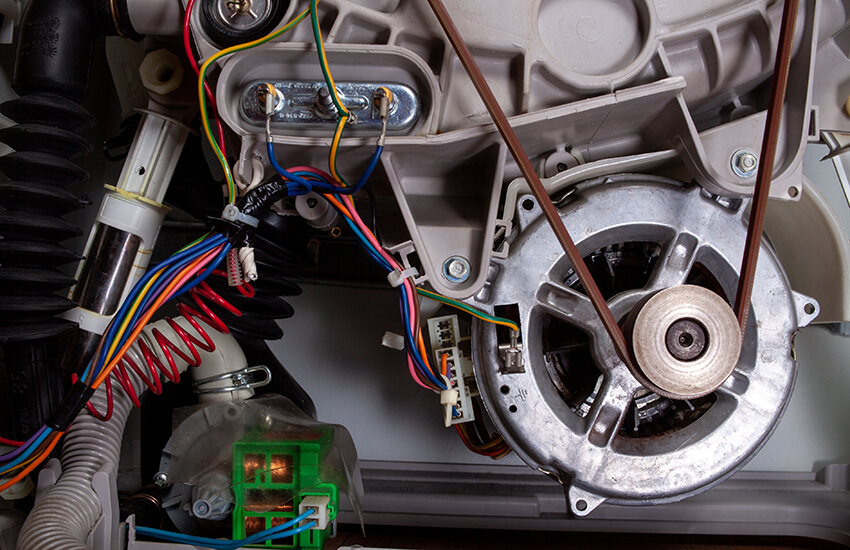
Understanding Limescale and Its Formation in Appliances
Limescale is a mineral deposit that builds up in household appliances over time. It forms because of the water’s hardness. Knowing what limescale is and where it comes from helps us fight it.
Chemical Composition of Limescale
Limescale is mainly made of calcium carbonate and magnesium carbonate. These minerals are found in hard water. When water evaporates or heats up, they stick to surfaces, forming a hard, chalky layer.
How Hard Water Creates Limescale Deposits
Hard water leads to more mineral buildup. It has lots of calcium carbonate and magnesium carbonate. As water dries or heats up, these minerals stay behind, causing limescale to build up in appliances.
Common Areas of Limescale Buildup
- Washing machine drums and seals
- Dishwasher spray arms and filters
- Kettle heating elements and inner surfaces
- Showerheads and faucet aerators
- Boiler heating coils and pipes
Learning about limescale helps us manage and stop it in household appliances.
The Impact of Limescale in Washing Machines
Limescale buildup in washing machines can harm their performance and lifespan. This mineral deposit causes issues that affect energy efficiency, washing performance, and maintenance costs.
Limescale can damage the washing machine’s parts, leading to early wear and tear. This means more repairs or even a new machine, raising maintenance costs over time.
Limescale also makes washing machines less energy-efficient. It blocks water flow, making the machine use more energy. This increases utility bills and harms the environment.
Furthermore, limescale affects the machine’s cleaning ability. It disrupts water and detergent distribution, leaving clothes less clean. Clothes may also feel dirty or have residue.
In conclusion, limescale’s impact on washing machines is wide-ranging. It affects energy efficiency, lifespan, washing performance, and maintenance costs. It’s crucial to tackle this issue to keep these appliances working well for longer.
Signs Your Washing Machine Has Limescale Buildup
Limescale is a common problem in many homes. It can damage your washing machine if not dealt with. Knowing the signs of limescale buildup is key to fixing the problem early. Let’s look at the signs that your washing machine might have this issue.
Visual Indicators of Limescale Presence
One clear sign of limescale in your washing machine is white deposits on the drum, detergent dispenser, or other parts. These chalky residues show that limescale is building up inside the machine.
Performance-Related Symptoms
- Reduced water flow: If you see a reduced water flow during washing, it might mean limescale is blocking the water system.
- Unusual noises: Limescale can cause unusual noises like grinding or rattling. This happens when the deposits disrupt the machine’s parts.
Warning Signs You Shouldn’t Ignore
- Residue on clothes: If your clothes have a white, chalky residue after washing, it means limescale is affecting the cleaning.
- Decreased efficiency: Limescale buildup can make your washing machine less efficient. This leads to longer cycles and poor cleaning.
By spotting these early signs, you can act quickly to fix the limescale issue. This can prevent more expensive repairs or even the need for a new washing machine.
How Limescale Affects Washing Machine Components
Limescale can harm many parts of your washing machine. It can make your machine work less well and last shorter. Let’s see how it affects different parts.
The heating element is very affected by limescale. As it builds up, the element can’t heat water as well. This means your wash cycles take longer and use more energy.
The detergent drawer is also a problem area. Limescale can block the openings. This stops detergents and softeners from being released properly. This can lead to clothes not being cleaned evenly and can damage them.
Limescale can also damage the drum of your washing machine. It makes the surface rough. This can wear out your clothes faster and make them look worse.
The pipes and seals in the machine are not safe from limescale either. It can block the pipes and damage the seals. This can cause leaks and harm your home.
Knowing how limescale affects these parts helps you take care of your washing machine. This way, it will work better for many years.
Natural Methods to Remove Limescale from Washing Machines
Removing limescale from your washing machine doesn’t need harsh chemicals. You can try eco-friendly descaling methods with common household items. These DIY limescale removal techniques are effective and kind to your appliance and the planet.
Vinegar Treatment Process
Vinegar is a strong natural descaler. It can break down and remove limescale. Just run an empty cycle with a cup of white vinegar. The vinegar’s acidity will dissolve the mineral deposits, making your machine clean and fresh.
Citric Acid Solutions
Using a citric acid solution is another eco-friendly descaling choice. Mix a few tablespoons of citric acid powder with water. Then, run the solution through a normal wash cycle. The citric acid will break down the limescale, improving your machine’s efficiency.
Baking Soda Methods
- Create a paste by mixing baking soda and water. Use a damp cloth to scrub the affected areas of your washing machine.
- Or, add a cup of baking soda to the detergent dispenser. Run a normal wash cycle to neutralise and remove limescale.
These household remedies are a simple and eco-friendly way to remove limescale from your washing machine. They don’t require harsh chemicals. By using these natural methods regularly, you can keep your appliance working well.
Commercial Descaling Products and Their Effectiveness
Chemical descalers can help remove tough limescale from washing machines. They are made to dissolve and remove mineral deposits that harm our appliances.
But, it’s important to think about the pros and cons before using them. Chemical descalers work well to break down and remove limescale. Yet, they can be dangerous if not used carefully.
The market has many chemical descalers with different formulas. Some work better on certain types of limescale, while others are kinder to the machine. Always read the instructions and follow the safety precautions to get the best results and stay safe.
Choosing a commercial descaling product should be a thoughtful decision. These solutions can be very effective. But, it’s important to consider the risks and if a natural method like vinegar or citric acid might be better for you.
Preventing Limescale Buildup in Your Washing Machine
It’s important to keep your washing machine free from limescale. This helps it last longer and work better. There are a few steps you can take to stop mineral deposits and protect your machine.
Water Softener Installation
Installing a water softener is a great long-term solution. It removes minerals from hard water that cause limescale. This gives your washing machine soft water solutions and stops build-up.
Regular Maintenance Tips
- Regularly clean your washing machine’s drum, seals, and dispenser drawer to remove any visible limescale deposits.
- Use a washing machine cleaner specifically designed to tackle limescale and mineral residue.
- Periodically run a hot wash cycle with a vinegar or citric acid solution to help dissolve and flush out any built-up limescale.
Best Practices for Daily Use
- Avoid overloading your washing machine, as this can contribute to appliance care issues and limescale formation.
- Use the recommended amount of detergent and fabric softener to prevent residue buildup.
- If possible, opt for water treatment methods like using distilled or filtered water in your machine.
By following these preventive measures, you can greatly reduce limescale buildup. This ensures your washing machine works well for many years.
The Cost of Ignoring Limescale Problems
Ignoring limescale in your washing machine can cost a lot. It can lead to repair expenses, higher energy bills, and the need for early replacement costs. The cost of not dealing with it can quickly add up.
Limescale buildup affects your washing machine’s performance. It blocks water flow, lowers water efficiency, and makes the machine work harder. This increases your energy bills and can raise your monthly utility costs. It’s a problem that’s expensive to overlook.
- Frequent repairs: Limescale can damage internal parts, leading to more maintenance and repairs. This increases your repair expenses.
- Shortened lifespan: Severe limescale buildup can shorten your washing machine’s life. This means you’ll need to replace it early, costing a lot.
Dealing with limescale early can save you money and keep your washing machine running well. Preventing and removing limescale can save you money over time. It also helps make your home more sustainable.
Professional Cleaning vs. DIY Solutions
Homeowners face a choice when dealing with limescale in washing machines. They can choose professional expert services or try a DIY solution. Each option has its pros and cons, depending on your needs and situation.
Professional limescale removal services offer a deep clean. They use special equipment and knowledge from experts. This method is more effective and often comes with a warranty. But, it can be pricier, which might be a drawback for those watching their budget.
DIY methods, like using vinegar or baking soda, are cheaper and quicker. They let you clean at your own speed, saving money. Yet, their success can vary, and they might not clean as well as pros.
Choosing between professional cleaning and DIY depends on your budget, time, and how bad the limescale is. Think about the cost comparison, time efficiency, and the level of expert services and thorough cleaning you need. This will help you decide what’s best for you.
Environmental Impact of Limescale Treatment Methods
When we look after our washing machines, we must think about how our actions affect the planet. Green cleaning and water conservation are key. The choices we make can have a big impact on our environment.
Eco-friendly Descaling Options
There are many biodegradable products and natural solutions to fight limescale. These options are better for our planet. Here are a few:
- Vinegar-based cleaners use acetic acid to break down limescale without harmful chemicals.
- Citric acid solutions, made from lemons and limes, are a gentle but effective choice.
- Baking soda is a energy-efficient ingredient that works well with other natural agents for a green descaling solution.
Sustainable Prevention Techniques
Prevention is just as important as treatment. Installing a water softener can greatly reduce limescale formation by changing the water’s mineral content.
Using less water for washing loads is another way to help. This supports water conservation and sustainable washing machine care.
By choosing eco-friendly options and using sustainable prevention, we can keep our washing machines in good shape. This way, we show our commitment to protecting the environment.
When to Replace vs. Repair a Limescale-Damaged Machine
Deciding whether to fix or replace a washing machine with limescale damage is tricky. You need to think about the machine’s age, repair costs, and how energy-efficient newer models are. These factors are key to making a good choice.
For older washing machines, it’s often better to replace them. These machines use more energy, leading to higher bills. Repair costs can also be too high, making replacement more sensible. New, energy-saving machines can save money in the long run, even if they cost more upfront.
But, if your washing machine is newer and the damage isn’t too bad, fixing it might be the way to go. A skilled technician can clean out the limescale and make the machine work like new again. This can save you money, especially if the machine still has good energy ratings.
FAQ
What is limescale and how does it form in washing machines?
Limescale is a hard, chalky deposit that forms in hard water. It’s made of minerals like calcium and magnesium carbonate. These minerals build up in your washing machine, causing scaly residue in places like the heating element and pipes.
How does limescale affect the performance of my washing machine?
Limescale can really hurt your washing machine’s performance and lifespan. It can block water flow and make heating water harder. This can damage parts inside, leading to higher energy bills, poor washing, and even appliance failure.
What are the signs that my washing machine has a limescale problem?
Signs of limescale include white or chalky deposits, less water flow, odd noises, and clothes not cleaning well. These are clear indicators that your machine needs attention.
How can I remove limescale from my washing machine using natural methods?
Using natural products like vinegar, citric acid, or baking soda can help remove limescale. Their acidity breaks down mineral deposits, making it easy to flush them out.
How can I prevent limescale build-up in my washing machine?
To stop limescale, consider using a water softener. Regular cleaning with a descaling solution and following the manufacturer’s instructions also helps. Using the right water temperature is key.
What are the long-term costs of ignoring a limescale problem in my washing machine?
Ignoring limescale can cost a lot in the long run. You’ll face higher energy bills, frequent repairs, and might need to replace your machine sooner. Tackling limescale early can save you money and keep your machine running longer.
When should I consider replacing my washing machine due to severe limescale damage?
If limescale damage is severe, causing frequent breakdowns and high repair costs, it might be time for a new machine. Consider your machine’s age, the damage, and the savings from a newer, more efficient model.